What Makes a Brand Memorable, Not Just Known
Awareness pays, but people recognise brands they never buy. What makes a brand memorable is being known for something specific, not just known.
June 16, 2026
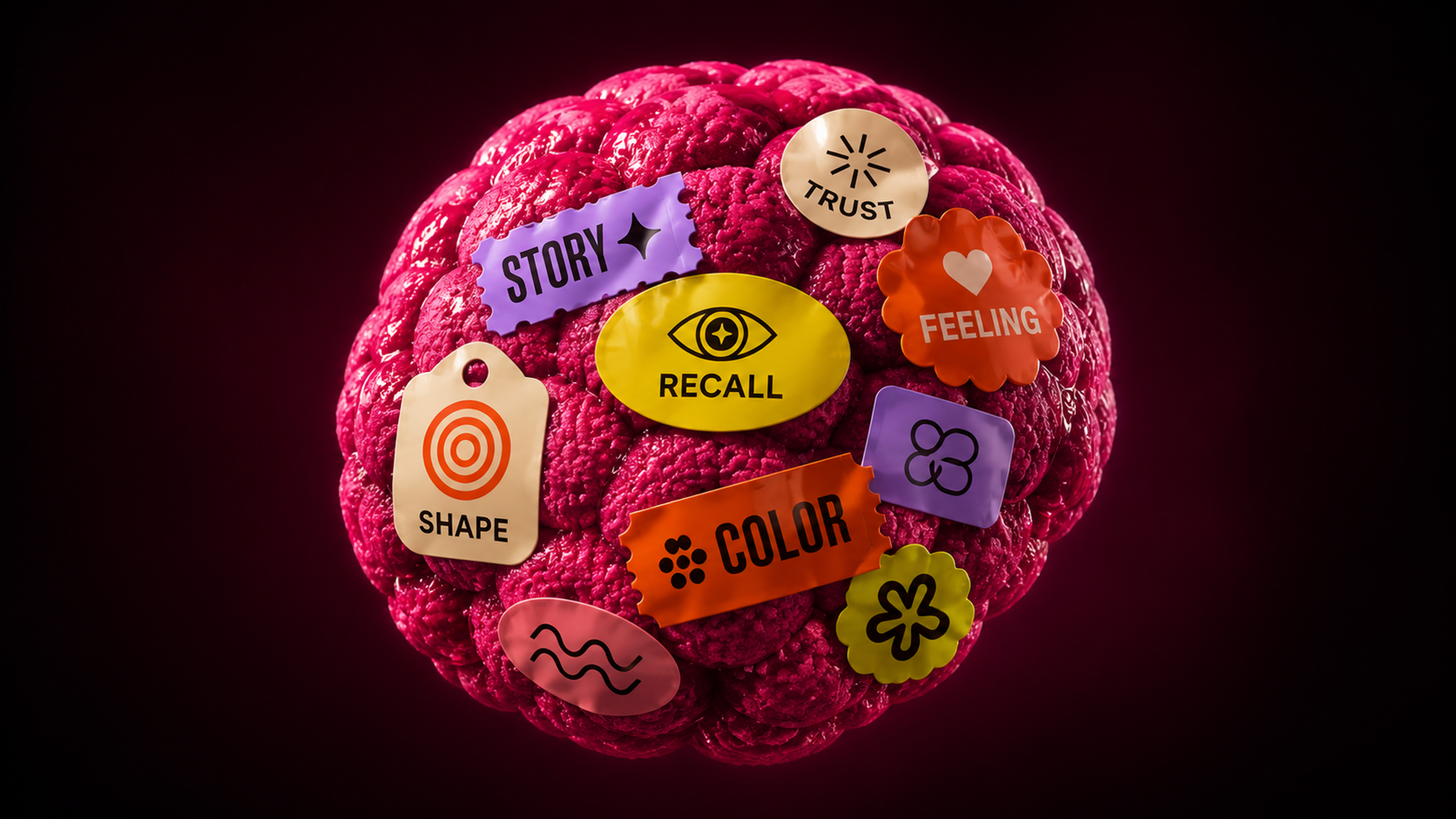
Getting your name out there is not the goal. People recognise hundreds of brands they will never buy. Research shows awareness does pay, but only when it comes with the right associations: being known for something specific, not just known. Reach gets you noticed. Meaning gets you chosen.
The half-truth every brand believes
Ask most owners what their brand needs and you hear the same answer: more awareness, more reach, get the name out there. They are half right. Awareness matters. The mistake is treating it as the finish line when it is only the starting line.
What awareness really does for you
Awareness is not just a vanity metric. In a 2012 study in the Journal of Business Research, Rong Huang and Emine Sarigollu combined survey data with real market data and confirmed that brand awareness is positively linked to hard outcomes: more sales, more market share, and stronger brand equity, including the price and revenue premium a brand can command. A brand people know is far more likely to make the shortlist when they buy. So yes, being known is worth real money. The case for awareness is solid.
Where awareness breaks down
Here is the crack. The same research is clear that high awareness does not automatically turn into sales. The authors point to a telling example: people are highly aware of huge corporate brands like GE or Cisco, yet most of them are not customers and never will be. You can be famous and unbought. Recognition on its own is a name with nothing attached to it. If hearing your name does not bring a specific, useful idea to mind, it does not change what people choose.
Be known for something
So what turns awareness into preference? In one of the most influential branding papers ever written, Kevin Lane Keller showed in 1993 that brand value lives in two things: awareness, and brand image, meaning the set of associations attached to the name. And not just any associations. The ones that build real value are favourable, strong, and unique. That last word is the whole game. Being known for something no one else owns is what makes a brand memorable, and chosen.
Part of that something is personality. Jennifer Aaker's research found that brands carry distinct, human-like characters: sincere, exciting, competent, sophisticated, or rugged. A clear personality is one of the simplest ways to be known for something rather than just known, because it gives people a feeling to attach to your name instead of only a logo to recognise.
Bottom line
Awareness without meaning is expensive noise. Before you spend on reach, get clear on what you want to be known for: the one strong, favourable, unique idea, and the personality that carries it. Then make every touchpoint drive it home. That is the difference between a brand people can name and a brand people choose. If you want help defining what you should be known for, build it with us through brand strategy and identity, and see how we have done it for other brands.
Sources
- Huang, R., & Sarigollu, E. (2012). How Brand Awareness Relates to Market Outcome, Brand Equity, and the Marketing Mix. Journal of Business Research, 65(1), 92 to 99. DOI: 10.1016/j.jbusres.2011.02.003.
- Keller, K. L. (1993). Conceptualizing, Measuring, and Managing Customer-Based Brand Equity. Journal of Marketing, 57(1), 1 to 22. DOI: 10.1177/002224299305700101.
- Aaker, J. L. (1997). Dimensions of Brand Personality. Journal of Marketing Research, 34(3), 347 to 356. DOI: 10.1177/002224379703400304.